

Replacing French Door Glass
It is fairly simple to replace a damaged glass pane in a French door. It involves cleaning the pane of glass and removing molding or trim and installing a new window pane.
French doors have multiple glass panes, which are separated by muntin bars. They are also known as mullions. They are available in a variety of configurations and can also include triple-pane glass to improve energy efficiency, reduce sound and reduce glare.
How to Replace a Broken Pane of Glass
Wear rubber gloves and safety goggles before you begin to replace the glass. This will shield you from any broken glass shards that could fall during the process. Also work in a garage or another open space, and keep children away from the area. It's best to remove the window frame from the sill to allow better accessibility and maneuverability However, you can replace a window without taking the entire window out of the frame.
With a putty-blade scrape away any old caulking or glazing compound around the edges of the window sash. Be careful not to scratch the wood molding that holds the window in place, as you'll need it later to hold the new pane.
If you're working with a window made of steel The window may be held in place with metal glazing points. These points, as well as the old putty will have to be removed prior to you can remove the window from the frame. A paint scraper or a Chisel can be used, but if you find that the putty is too difficult to remove, gradually soften it with a heat gun. The heat gun should be held about an inch from the glass and move it around to distribute the heat. Double-up the aluminum foil and then place it on the adjacent panes. This will prevent them from breaking due to heat.
After you have removed the old glass, take a damp cloth and clean the inside of the window sash to remove any dirt or dust. Now you can install a new piece of glass.
Take measurements of the width and height to determine the dimensions of the glass. Record these measurements and subtract 1/8 inch from all sides to get a new glass that is able to fit into the door frame. Many hardware stores will cut a piece of glass for you, if you give them the measurement.
Warm up a small amount of putty and roll it into a 3/4-inch thick rope. Set the putty in a position that is against one edge of the exposed rabbet and place the blade of your putty knife at a 45-degree angle with the frame's rabbet. To cut a portion of the pane, pull the knife in a smooth and straight line along the edge of glass. Repeat the process with the other edges of the pane. Then, scrape off french door glass replacement .
Take the broken Pane
A broken glass pane in a French-style door is not just an eye sore however, it could also pose a security risk. Replacing glass in a French door can be done in a few simple steps and is usually much less expensive than replacing the entire door panel. The majority of homeowners can complete the task by themselves, however professional assistance is available for those who require special tools or expertise.
Start by removing any broken or cracked fragments of the frame. Wear safety goggles and gloves to keep glass shards from getting in your eyes or on your face. Then, clean out the glass's opening to remove any caulking or putty used to hold the previous pane in place.
The next step is to eliminate the molding or trim that is holding the glass in place. This can be a challenge, as it will likely require some effort to pry the molding off. Wearing protective equipment and having someone help you in the process of prying is a good idea. Label the pieces that you are removing so you can return them to their original positions.
Installing the new glass is easy after the molding is removed. Take measurements of the glass pane opening and then visit an establishment that sells glass to purchase a piece of new glass for your French door. It's a good idea to get a piece of safety glass since it will not shatter as easily if your French doors break again.
When you're ready to put in the glass piece make sure that it's aligned correctly in the opening. Then, you can apply a thin bead of clear silicone caulk over the edge of the glass.
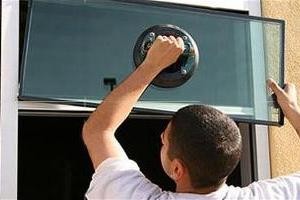
You can change the molding once the caulk has dried. If the nails that were originally used didn't penetrate the molding, you can hammer new wire nails into the holes created by the old nails. To stop the nails from cutting the molding, you should drill the holes prior to drilling them. A well-stocked hardware store stocks extremely thin bits that you can use to drill the holes.
Cut a New Pane of Glass
Before you purchase a new pane of glass, double-check that the frame's dimensions and the edges of the window are equal. It is possible to adjust spring clips or metal triangulars that keep it in place if there are gaps. It is also important to ensure that your new pane is appropriate for the opening. If it's too big it could cause leaks and other issues.
The first step is to prepare a work surface. Utilizing a putty blade, scrape away the old compound on both sides of the frame. This will expose the wood. If the rabbets of the frame are too rough to smooth using a knife and you want to smooth them out, lightly sand them and apply an exterior primer. This will prevent the new glazing from absorbing moisture from wood, thereby reducing its lifespan.
Once the frame is cleaned and prepared, rub a handfull of putty until it becomes soft and malleable. Apply a thin layer of it using the putty blade on the inside corners of the rabbets to create a bed that the glass can rest. Repeat the process for the remaining exposed edges.
Remove any remaining metal points from the grooves of the sash after the putty has dried. Before attempting to remove them, wear a pair of safety goggles to shield yourself from glass fragments. The low setting of heat guns can be used to gently warm the metal, allowing it to loosen so you can take it off by using pliers.
Slide the glass into place to check the fit. Adjust the glass as necessary before securing it using spring clips or metal triangulars. Make sure that the gap between the frame and the glass is uniform and even across all sides. You can also check the sash's movement to ensure that the new glass will not interfere with opening or closing the window. Consult a restoration specialist in case you have any issues during the installation. They can assist you to repair and maintain your historic home.
Install the Pane of Glass
Test-fit the glass pane to ensure it fits snugly before putting it in place. Take measurements of the width and height of the window opening by measuring from the outside edge of the L channels. Subtract 1/8 of an inch from each measurement to determine the size glass you require. By slightly undersizing the glass, you will allow it to be installed more easily and provide room for seasonal expansion and contraction of the wood frame. You can take your measurements to a hardware store or the home centre and they will cut a piece for you. You can also cut the glass yourself in the event that you have a large piece in your possession.
After the old pane glass is removed, you should clean the window sash grooves, and remove any glazing points made of steel which held the previous pane in place. A paint scraper that is a pull type or a chisel is ideal for this task. If the grooves are full of putty that has hardened, slowly soften it using a heat gun. Cover the moldings and windows with aluminum foil in order to shield them from heat.
You can also apply an exterior primer to prevent the putty from absorbing the natural oils. You should also clean the sash in order to remove dust and dirt from the grooves.
Knead a small amount of putty until it is soft and warm and then press it into the rabbets, where the glass will go. At this point, the neatness is not important. Press the new pane into the rabbets, then move it around and apply even pressure using your fingers to ensure it's seated properly.
Fill any holes in the frame with silicone caulk. Then, install the new glass. If the frame is equipped with other fastening mechanisms, such as L-channels, employ a hammer for prying them out from the sash grooves. Get rid of any shards that might have become loose in the removal of the frame. Then, apply a layer of clear silicone caulk on the bottom edge of the frame where it meets the floor to keep water and pests out of your home.